
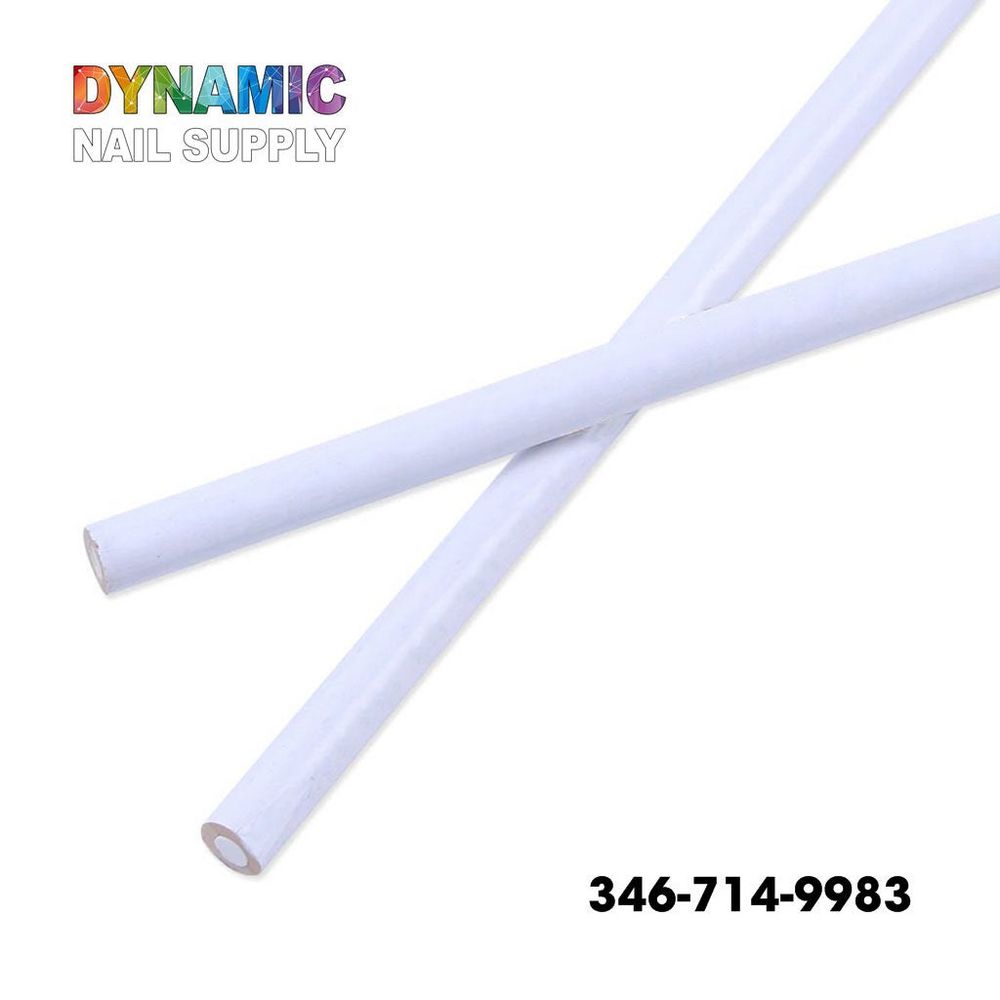
Adding rhinestones and crystal gems to a set is a high-impact, low-time upgrade that boosts ticket value and guest satisfaction. Wooden nail dotting pencils are a simple, affordable tool that can make that add-on clean, fast and repeatable when integrated into a salon’s service routine.
Start by treating the tool as part of your station kit rather than an occasional novelty. For quick rhinestone placement, keep these wooden dotting pencils within reach at each station so techs can add gems without breaking service flow.
Where these pencils belong in a standard service flow
Think of wooden dotting pencils as a finishing tool used during the refinement and topcoat stages. Typical placement in the flow:
- After shaping and base work, during embellishment planning.
- While applying gel or polish layers when a tacky surface aids temporary placement.
- Immediately before final topcoat or cure so gems are sealed and aligned in one motion.
Station setup and organization
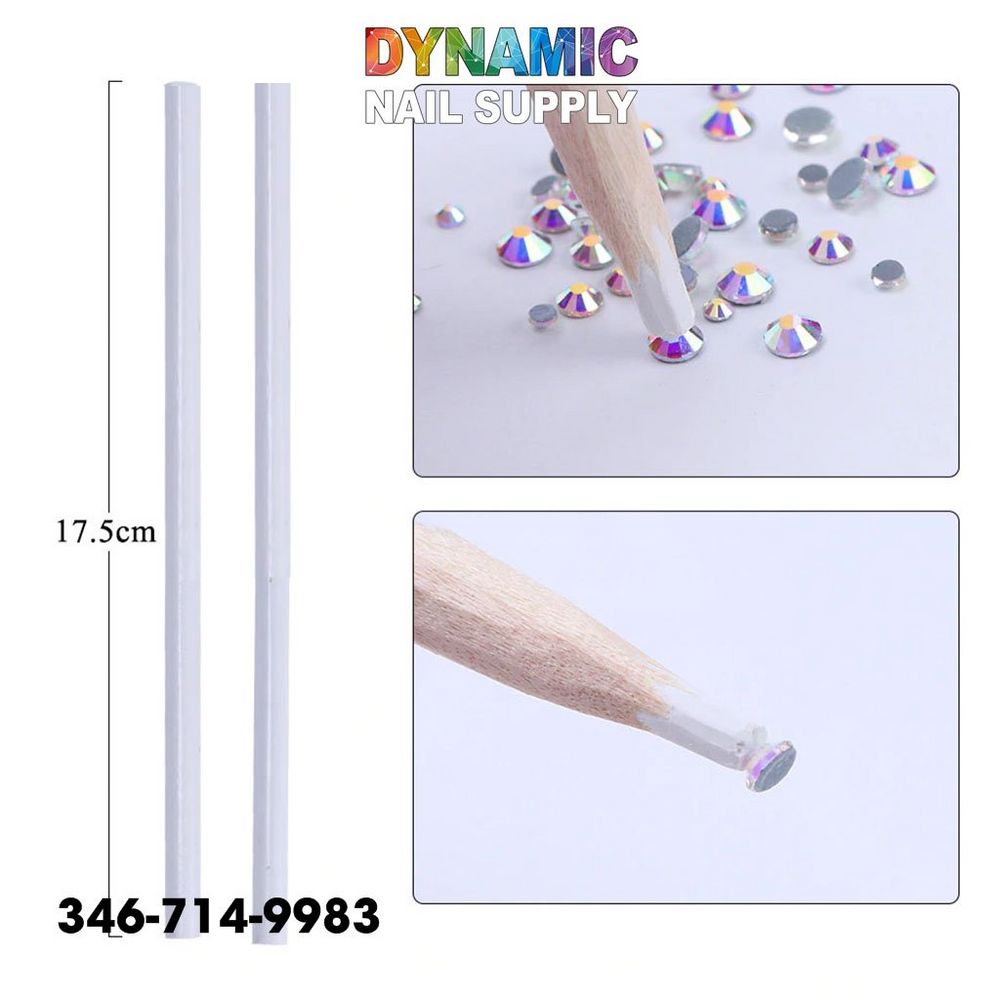
Efficiency is built on repetition and predictable layout. Designate a small tray or magnetic mat for embellishment work that contains a few glass gem jars, adhesive, tweezers and a set of wooden pencils. Keep at least two pencils per station so one can be resting while the other is in hand. If you stock QHTR360 wooden dotting pencils, store extras in a labeled drawer or cup for quick refill.
How techs use them: technique and tempo
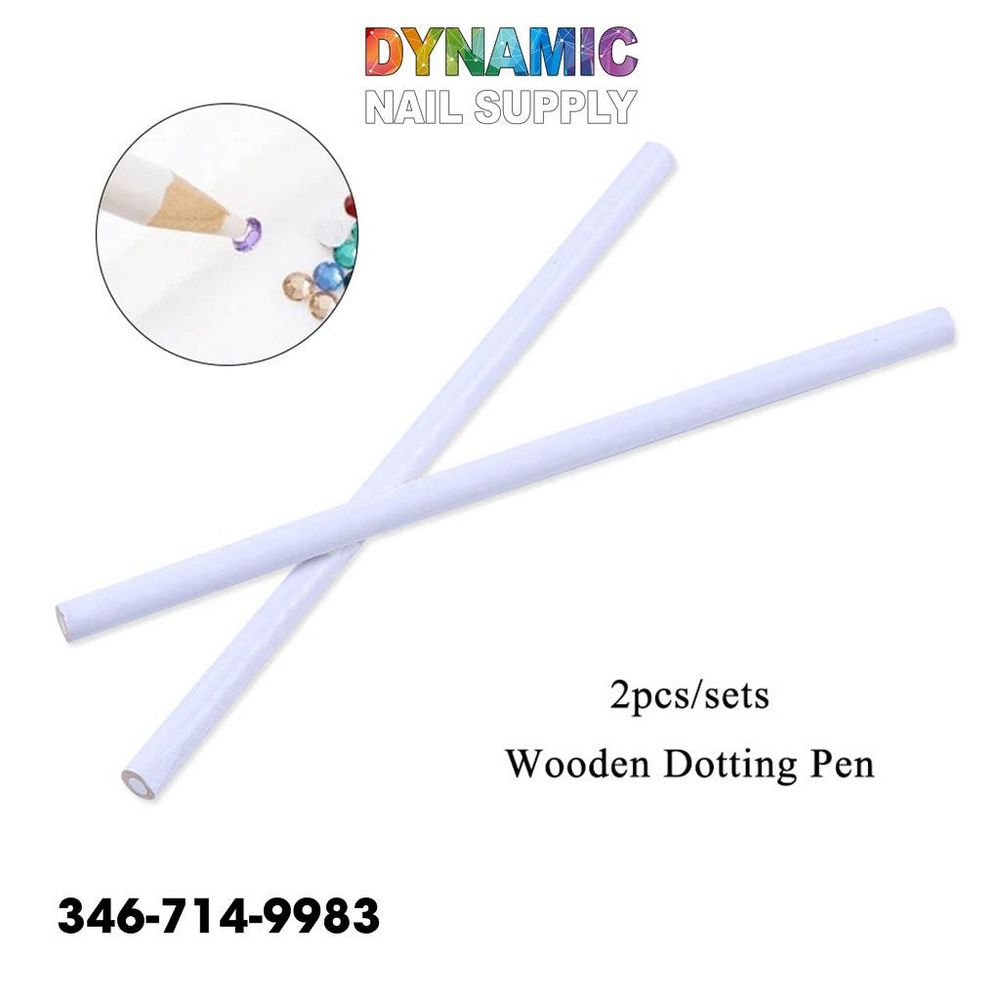
Wooden dotting pencils are favored for their tactile feel and simple control. Use these steps to train consistent placement:
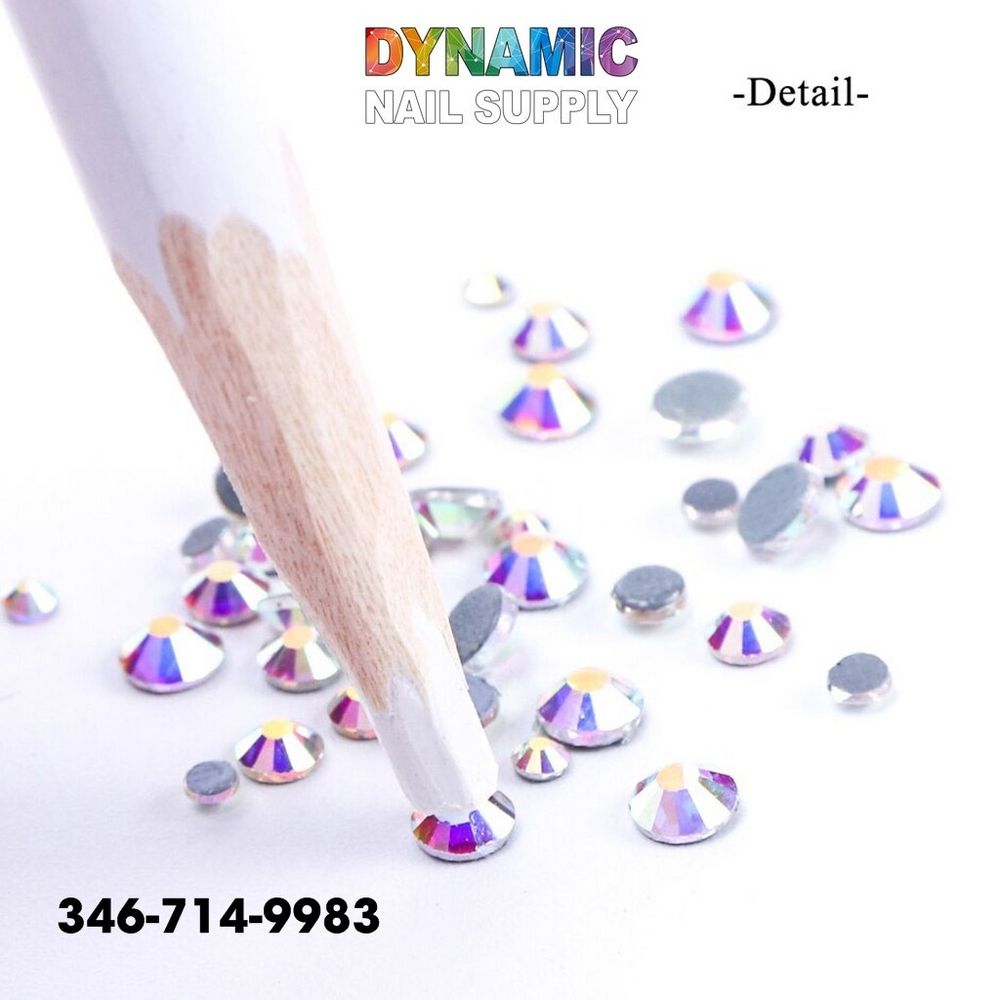
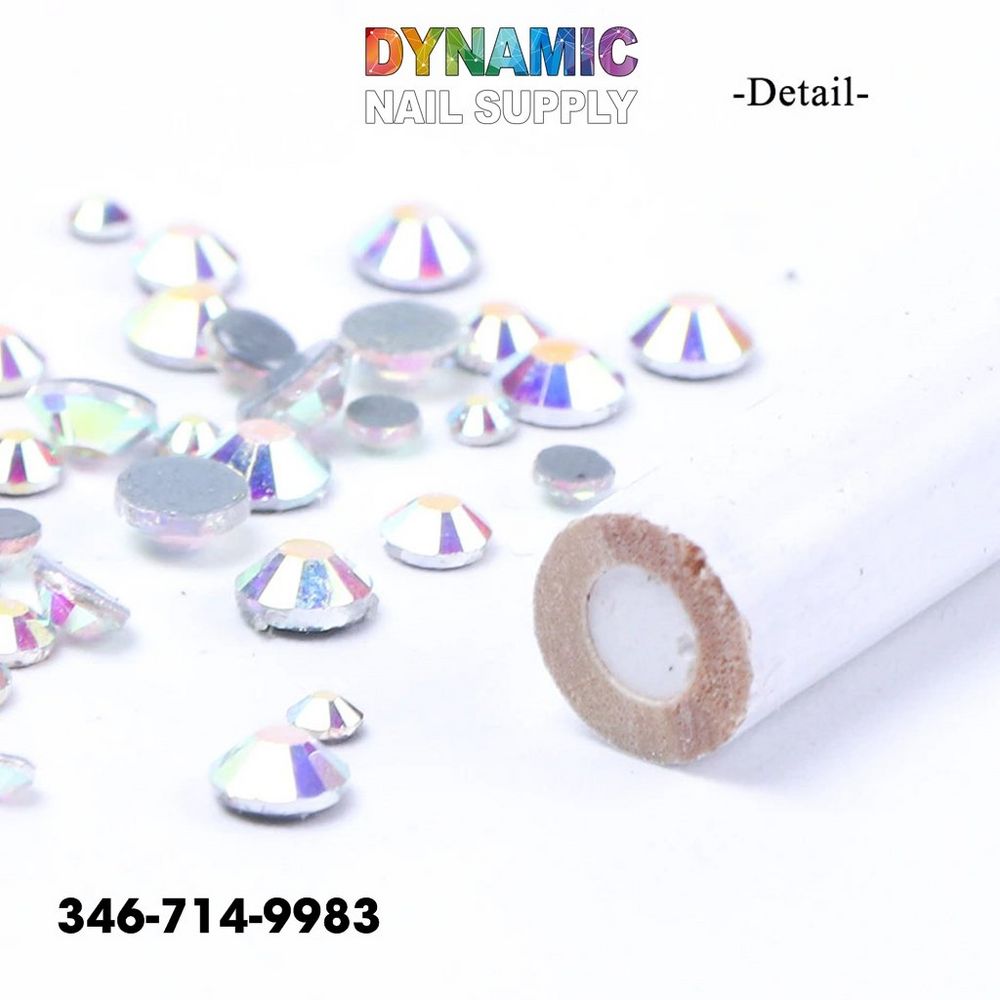
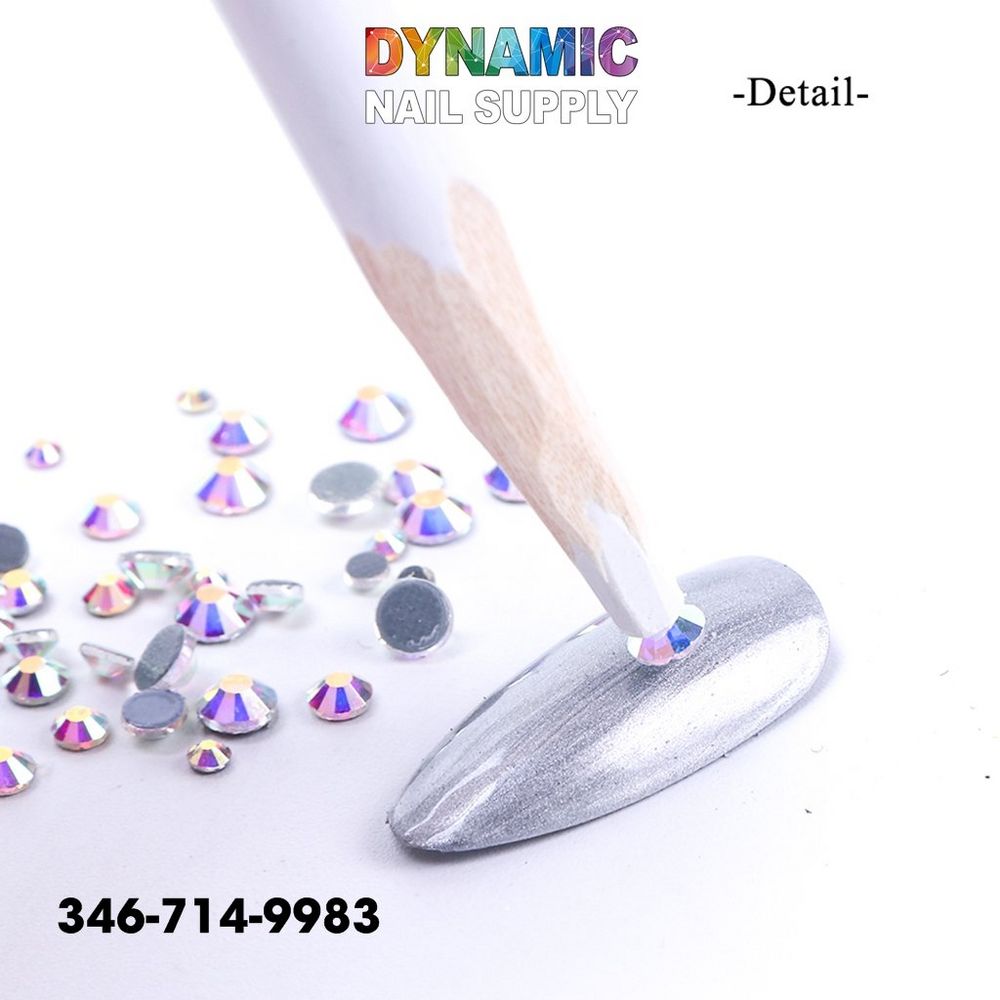
- Pick up a small amount of adhesive or use a sticky tack on the pencil tip to pick up the gem.
- Place the gem gently on the nail, reorienting with the pencil tip for exact alignment.
- Secure the embellishment with a careful topcoat or final cure, depending on service type.
Emphasize controlled, small movements rather than force. The wood handle gives a natural grip that many techs find steadier than metal or plastic options.
Key features in the salon context
- Simplicity: The straightforward design keeps training short and intuitive for new staff.
- Cost-effective: Affordable tools lower the barrier to offering embellishment add-ons and make replacement inexpensive.
- Versatility: Works with a range of small rhinestones, crystals and nail gems commonly used in professional services.
Service menu ideas and upsells
Integrate a dedicated embellishment add-on to increase average ticket: a quick crystal placement, accent nail with three gems, or a full-gem gradient. Because the pencils speed placement, you can offer express options priced for walk-ins and add-ons without unduly lengthening appointments.
Care, sanitation and safety notes
Wooden tools require practical, salon-friendly care. Between clients, remove visible residue and wipe handles with an EPA-registered disinfectant wipe suitable for non-porous surfaces; avoid soaking wooden handles to prevent swelling. Rotate pencils when tips become worn, and replace them regularly—keeping a labeled supply box makes swaps fast during busy shifts.
Who should stock these pencils
These pencils suit every nail pro who offers embellishments: salon technicians, mobile artists, and educators demonstrating gem techniques. They are especially useful in high-volume salons that need quick, repeatable tools without a steep training curve.
Practical tips to speed adoption
- Include a two-minute demo in new-hire training so everyone uses the same pick-and-place technique.
- Bundle pencils with a small jar of assorted crystals in a retail display to encourage guest purchases.
- Label a dedicated embellishment station so tools and supplies aren’t scrambled across multiple stations.
Dynamic Nail Supply carries affordable options that let salons trial embellishment offerings without heavy investment—often priced around $5.00, though prices may change.
Conclusion: when you weave wooden nail dotting pencils into the regular service flow, embellishments stop feeling like a time-sink and start acting like a consistent revenue stream. Clear station organization, basic training and routine care are the three practices that turn a simple wooden tool into a salon-standard implement for precise, polished gem work.